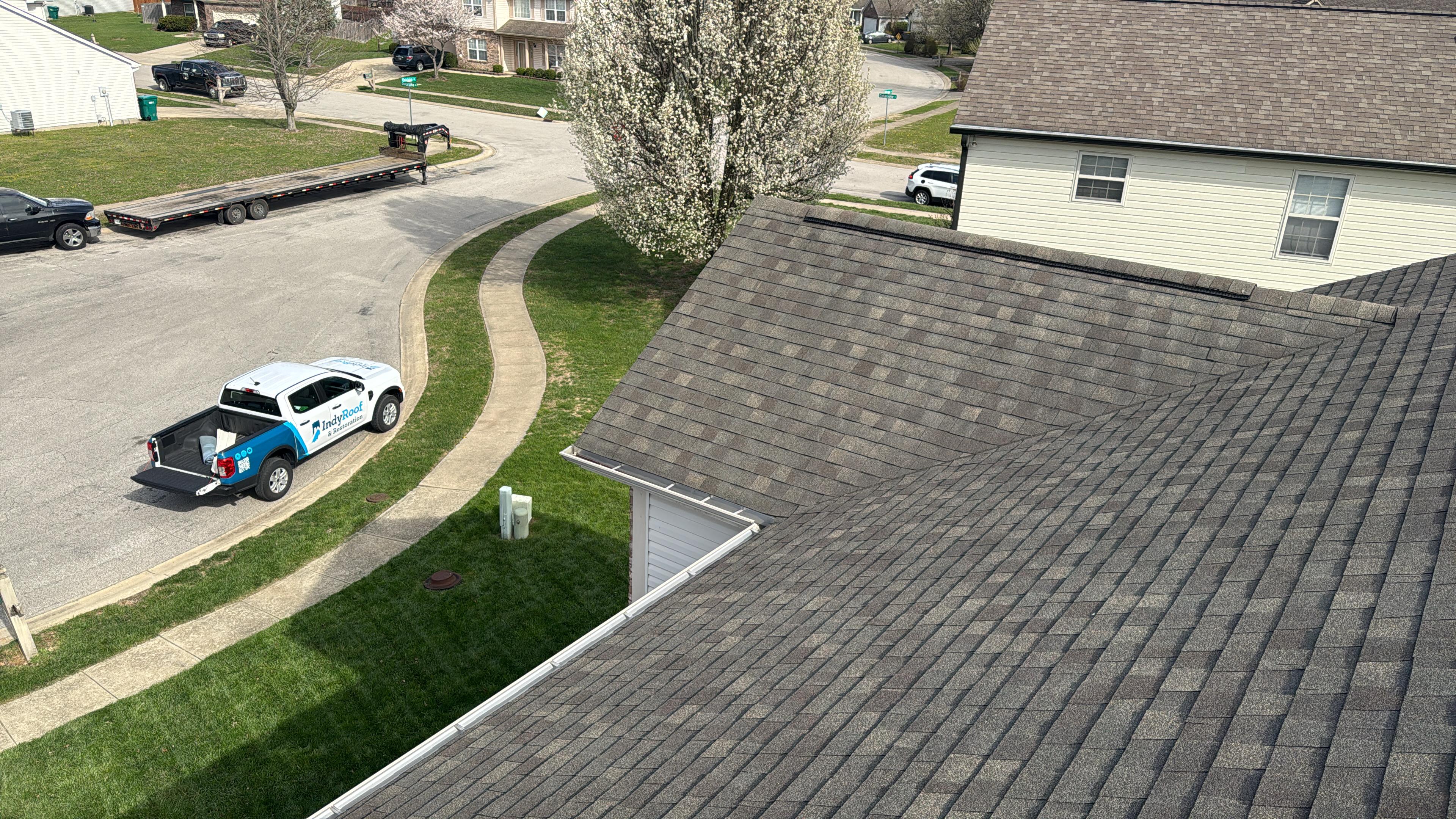
A Complete Guide to Hail Damage and Your Roof
Hail raises one urgent question for a Keeneland Park homeowner: does this mean a new roof. The honest answer depends on a handful of factors that, once you understand them, make the decision far less mysterious and far less stressful. This guide lays out what hail does to a roof, how the damage is judged, what insurance covers and what it costs you, and how the repair or replace call actually gets made. The aim is to give you enough understanding to read your own situation, ask the roofer and the adjuster the right questions, and recognize a thorough assessment from a rushed one, so the outcome reflects the real condition of the roof rather than the alarm the storm caused.
Damage Types and Likely Outcomes
The table below maps the common kinds of hail damage to how serious each one is and what tends to follow from it. Treat it as a starting frame rather than a verdict, since the roof's age and the spread of the damage shift these outcomes in either direction. Even so, it shows clearly why two roofs from the very same storm can end up needing completely different things, and it gives you a vocabulary for what an inspector or adjuster describes.
| What Hail Did | Severity | Likely Outcome |
|---|---|---|
| Dents on metal vents or gutters only | Cosmetic | Often no action or a metal repair |
| Light granule scatter, mat intact | Minor | Monitor, often no replacement |
| Granule loss exposing the mat | Functional | Repair or replacement likely |
| Bruised shingles (fractured mat) | Functional, hidden | Repair or replace; will fail early |
| Cracked or punctured shingles | Functional | Repair if isolated, replace if widespread |
| Widespread mat fracturing | Severe | Full replacement common |
Why Timing Matters for a Hail Claim
Timing runs through every part of a hail decision, so it deserves its own attention. Many policies require a claim within a set window from the date of the storm, and the connection between the storm and the damage is easiest to establish while the evidence is fresh. Wait too long and two things work against you. The claim window may close, and it becomes harder to prove the damage came from that specific hail rather than from ordinary wear that accumulated since. Bruising also keeps progressing in the background, so the longer it sits, the more the roof deteriorates. The practical takeaway is to note the date of any significant Keeneland Park hailstorm, get the roof inspected promptly, and file while the link is clear, even when nothing is leaking and the damage seems minor at first glance.
How Severity Is Measured
Inspectors and adjusters do not rely on a vague impression of how bad it looks. They commonly mark off a measured test square on the roof and count the hail impacts inside it, then repeat that across the different slopes to gauge how widespread the damage really is. That count turns a subjective sense of damage into something concrete that supports a decision and that an insurer will recognize. A low count of functional hits over a small area points toward a repair or simply monitoring the roof. A high count spread across multiple slopes points toward replacement. The method is a big part of why a documented professional inspection carries real weight with insurers in Keeneland Park, and why a roofer who measures and photographs is more useful to your claim than one who offers a quick verdict from the ladder.
Making the Repair or-Replace Call
The decision comes down to severity, spread, roof age, and a couple of practical realities layered on top. Isolated functional damage on a roof with plenty of life left is a repair, plain and simple. Widespread mat fracturing, an older roof, or damage heavy enough that patching would leave many weakened shingles in place all point toward replacement instead. Matching new shingles to weathered ones is a real factor on visible slopes too, since a patch can stand out. A Keeneland Park roofer who inspects the roof slope by slope, documents the functional damage with photos, and explains the tradeoffs plainly gives you the basis to decide rather than guess, and to coordinate the choice with your insurer so the scope of the claim matches what the roof genuinely needs.
Choosing a Roofer After a Storm
Big storms draw out of area crews who go door to door promising free roofs, and a Keeneland Park homeowner is well served by being a little cautious here. A trustworthy roofer inspects the roof closely before making any promise, documents functional damage with photos, and explains the repair or replace reasoning rather than guaranteeing a replacement on the spot. Be wary of anyone who pressures you to sign before an inspection, offers to cover your deductible, or cannot point to a local track record. The roofer you choose affects both the quality of the work and how well your claim is supported, since clear documentation of granule loss and bruising is what carries weight with an adjuster. Taking a beat to pick an established, local company protects both the roof and the claim. Because an insurance claim may be involved with significant hail damage, a professional assessment can help you understand the situation. For a clear answer on whether your roof needs repair or replacement after hail, a professional assessment is the reliable guide. Because the extent of hail damage varies, a professional assessment is the dependable way to determine whether repair or replacement makes sense. Rather than assuming the outcome, having a professional evaluate the damage clarifies what your roof actually needs. Whether a roof needs repair or replacement after hail depends on the damage, which a professional can assess for your situation. A professional who has inspected the roof can explain the extent of any hail damage and the appropriate response. Because an insurance claim may be involved with significant hail damage, a professional assessment can help you understand the situation. For a clear answer on whether your roof needs repair or replacement after hail, a professional assessment is the reliable guide. Because the extent of hail damage varies, a professional assessment is the dependable way to determine whether repair or replacement makes sense. Rather than assuming the outcome, having a professional evaluate the damage clarifies what your roof actually needs. Whether a roof needs repair or replacement after hail depends on the damage, which a professional can assess for your situation.
What Insurance Covers and What It Costs
Homeowners insurance generally covers hail because it is sudden weather damage rather than age, which is excluded. You file a claim, an adjuster inspects, and the insurer approves a repair or a replacement based on the functional damage found and documented. Your cost then hinges on two terms in particular. The wind and hail deductible is often separate from your standard deductible and is sometimes set as a percentage of the home's insured value, which can be sizable on a larger home and is worth knowing before you file. And the policy pays out either actual cash value, which factors in the roof's age and depreciation and so pays less on an older roof, or replacement cost, which covers a new roof more fully. Knowing which one applies and what your hail deductible is sets realistic expectations for what the claim actually contributes.